
Tips for Creating a Relaxing Home Environment to Boost Your Well-Being
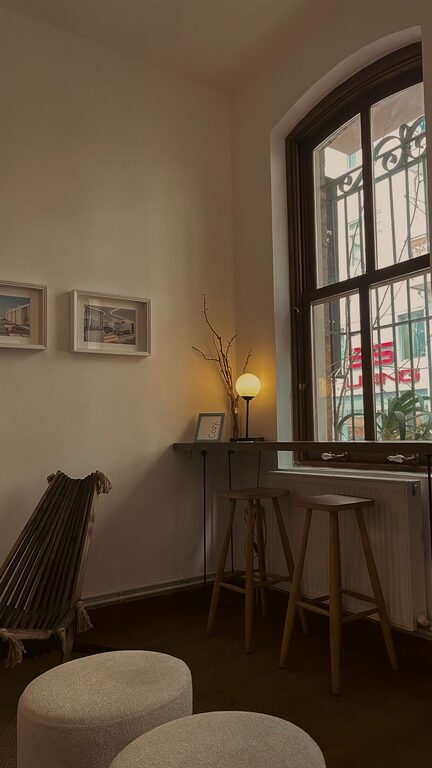
Creating a relaxing home environment can play a significant role in improving your overall well-being. After a busy day filled with work, errands, and obligations, coming back to a space that feels calm and peaceful helps reduce stress and promotes better mental and physical health. Luckily, you don’t need an extensive makeover or expensive purchases to transform your home into a calming sanctuary. With a few thoughtful adjustments and daily habits, you can design a space that supports relaxation and rejuvenation.
Why a Relaxing Home Environment Matters
Your home is where you spend a lot of your time—sleeping, eating, and unwinding. The environment you create affects your mood, energy levels, and ability to recharge. Clutter, noise, poor lighting, and distractions can increase stress and negatively impact sleep and relaxation. On the other hand, a well-organized, comfortable, and soothing space encourages calmness and mindfulness, helping you feel more centered and balanced.
Tips to Create a Relaxing Home Environment
Here are several practical strategies to help you shape a peaceful home that supports your well-being.
1. Declutter and Organize
Clutter can overwhelm your senses and create anxiety. Start by organizing your living spaces and getting rid of items you no longer need or use.
– Use storage bins, shelves, and baskets to create designated spots for belongings.
– Keep flat surfaces clear, especially in common areas like the living room and kitchen.
– Take a few minutes each day to tidy up to maintain order.
A clutter-free space feels more open and calming.
2. Use Calming Colors
Colors influence your emotions and energy. Soft, muted colors are ideal for fostering relaxation.
– Choose light shades like soft blues, greens, lavender, and neutrals for walls or decor.
– Avoid overly bright or harsh colors in spaces meant for rest.
– Incorporate color through pillows, rugs, and artwork to add a cozy touch.
3. Optimize Lighting
The right lighting enhances comfort and helps regulate your body’s natural rhythms.
– Use natural light as much as possible; open curtains and blinds during the day.
– Supplement with warm, soft light sources such as table lamps or string lights.
– Avoid harsh overhead lighting, especially in the evening.
– Dimmer switches are useful for adjusting brightness based on mood and time.
4. Bring Nature Indoors
Natural elements promote relaxation and improve air quality.
– Add houseplants that are easy to care for, like snake plants, pothos, or peace lilies.
– Use natural materials in decor, such as wood, cotton, or jute.
– Consider placing a small water fountain for soothing sound.
5. Create Cozy Zones
Designate areas in your home specifically for relaxation.
– Set up a reading nook with comfortable seating, soft blankets, and good lighting.
– Use cushions or bean bags in a corner for meditation or quiet time.
– Keep these zones free of work-related items and electronics.
6. Manage Noise
Noise pollution can disrupt peace and focus.
– Use rugs and curtains to absorb sound and reduce echoes.
– Play soft background music, nature sounds, or white noise machines.
– If outside noise is unavoidable, consider noise-canceling window treatments.
7. Incorporate Aromatherapy
Pleasant scents can boost mood and promote relaxation.
– Use essential oil diffusers with calming scents like lavender, chamomile, or eucalyptus.
– Light scented candles but never leave them unattended.
– Fresh flowers can also add a natural fragrance.
8. Maintain Comfortable Temperatures
Temperature affects your comfort and ability to rest.
– Aim for a cool to moderate temperature that suits your preferences.
– Use fans, heaters, or air conditioning to regulate temperature as needed.
– Choose breathable fabrics for bedding and seating.
Daily Habits to Support a Relaxing Environment
Beyond physical changes, your routines also impact your home’s atmosphere.
– Establish a regular cleaning schedule to keep the space tidy.
– Avoid bringing work-related stress or clutter into your relaxation zones.
– Practice mindfulness or gentle stretches in your calming areas daily.
– Limit screen time in certain parts of the home, especially before bed.
Conclusion
Creating a relaxing home environment is a simple yet effective way to boost your well-being. By decluttering, choosing calming colors, optimizing lighting, and incorporating natural elements, you transform your space into a peaceful retreat. Supporting these changes with mindful daily habits helps you maintain a soothing atmosphere that replenishes your energy and promotes balance. With these tips, your home can become a sanctuary where you truly feel at ease.