
Tips for Creating a Productive Home Office Environment
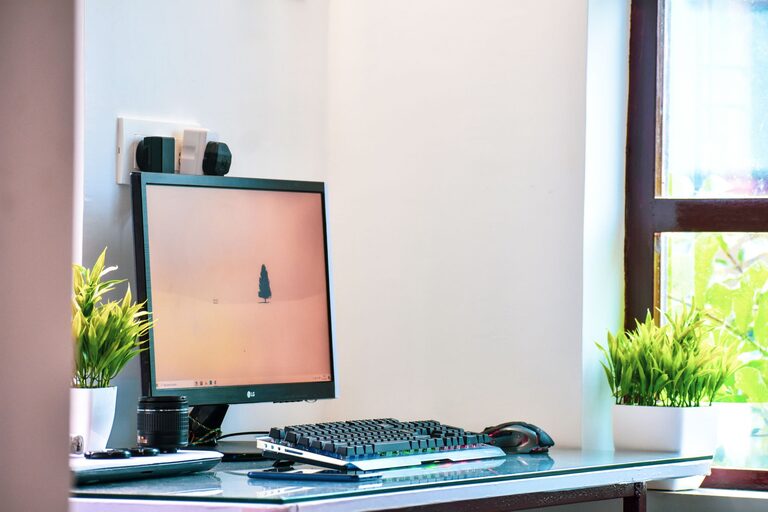
Creating a productive home office environment is essential for anyone working remotely or managing tasks from home. A well-designed workspace can improve focus, reduce stress, and help maintain a healthy work-life balance. Whether you have a dedicated room or just a small corner in your living area, these tips will help you set up a productive and comfortable home office.
1. Choose the Right Location
Find a Quiet Space
Selecting a quiet area with minimal distractions is key. If possible, choose a room with a door you can close to keep interruptions from family members, pets, or household noise at bay.
Consider Natural Light
Natural light has been shown to improve mood and energy levels. Set up your desk near a window to take advantage of daylight, but be mindful of glare on your computer screen.
2. Invest in Ergonomic Furniture
Comfortable Chair
A good office chair with adjustable height, lumbar support, and cushioning can prevent back pain and improve posture. Avoid working from sofas or beds, as these can cause discomfort over time.
Adjustable Desk
If you can, invest in a desk with adjustable height or a sit-stand converter. Alternating between sitting and standing during the day can help reduce fatigue and boost energy.
3. Optimize Your Desk Setup
Declutter Regularly
A tidy workspace helps maintain focus. Keep only the essentials on your desk like your computer, phone, notepad, and a few personal items.
Organize Supplies
Use organizers, trays, or drawers to keep pens, papers, and electronics neatly stored. This reduces time searching for items and creates a cleaner environment.
Position your Monitor Properly
Place your computer monitor at eye level, about an arm’s length away. This reduces eye strain and helps maintain good posture.
4. Manage Lighting Effectively
Use Layered Lighting
Combine natural light with overhead lights and task lighting. Desk lamps with adjustable brightness can help reduce strain when working late or in dim conditions.
Avoid Screen Glare
Position your monitor to avoid glare from windows or overhead lights. Using an anti-glare screen protector can also help.
5. Minimize Distractions
Create Boundaries
Communicate your working hours to family or housemates. Use headphones or white noise machines to block out distracting sounds if needed.
Limit Digital Interruptions
Turn off non-essential notifications on your phone and computer. Consider using apps to block distracting websites during work hours.
6. Personalize Your Space
Add Inspiration
Decorate your workspace with plants, artwork, or motivational quotes that make you feel comfortable and inspired.
Keep Comfort Items Nearby
Having a water bottle, healthy snacks, or a cozy blanket close by can help you stay comfortable without breaking focus.
7. Incorporate Breaks and Movement
Schedule Breaks
Taking short breaks every hour can improve focus and reduce fatigue. Use these moments to stretch, walk around, or do simple exercises.
Keep Equipment Handy
If possible, have some fitness equipment like resistance bands or a yoga mat nearby for quick movement sessions during breaks.
8. Ensure Good Air Quality and Temperature
Ventilation
Fresh air helps you stay alert. Open windows regularly or use an air purifier to maintain clean air.
Temperature Control
Keep your workspace at a comfortable temperature. Use a fan or heater as necessary to avoid discomfort that can distract from work.
9. Use Technology to Your Advantage
Reliable Internet Connection
A stable internet connection is vital for video calls, research, and communication. Upgrade your router or choose a wired connection if possible.
Efficient Tools
Make use of productivity apps and tools to organize tasks, set reminders, and collaborate efficiently with coworkers.
10. Maintain a Work-Life Balance
Set Clear Start and End Times
Keeping regular working hours helps separate work from personal life, which is especially important in a home setting.
Designate a Workspace
When the workday ends, step away from your home office to signal to yourself that it’s time to relax.
—
Creating a productive home office environment requires thoughtful planning and some investment, but the benefits to your focus and well-being are well worth it. By following these tips and tailoring your workspace to your personal needs, you can enjoy a more comfortable and efficient work-from-home experience.
Related Post
Tips for Creating a Relaxing Home Office Environment
Discover practical ways to design a calm and productive home office that enhances focus and [...]

Tips for Creating a Cozy and Inviting Reading Nook at Home
Discover simple and effective ways to design a cozy reading nook that invites relaxation and [...]

Tips for Creating a Cozy Reading Nook at Home
Discover simple and effective tips to design a warm, inviting reading nook right in your [...]