
Tips for Creating a Relaxing Home Office Environment
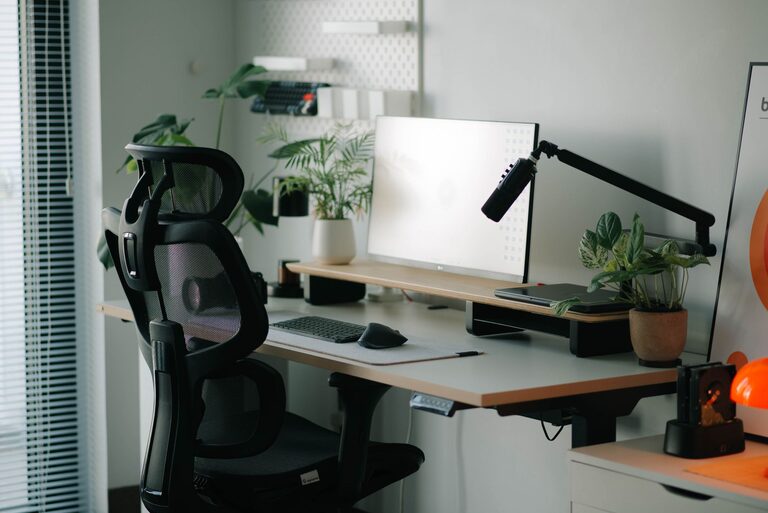
Creating a relaxing home office environment is essential for maintaining productivity and well-being while working remotely. Your workspace plays a significant role in how focused and comfortable you feel throughout the day. Whether you have a dedicated room or a small corner in your living space, a few thoughtful adjustments can make your home office more inviting and less stressful.
In this post, we’ll explore practical tips to help you create a calm, efficient workspace designed to support your best work and keep you feeling balanced.
Choose a Quiet, Comfortable Location
The first step in designing a relaxing home office is selecting the right spot. Ideally, this space should be quiet and free from distractions.
– Away from High Traffic Areas: Try to avoid placing your desk in areas where people frequently pass or gather, such as near the kitchen or living room.
– Good Natural Light: Position your workspace near a window to take advantage of natural sunlight, which can improve mood and energy levels.
– Comfortable Space: Make sure there’s enough room for you to move comfortably without feeling cramped.
Invest in Ergonomic Furniture
Comfort is key to reducing physical stress and fatigue during long work hours.
– Ergonomic Chair: Choose a chair that supports good posture with adjustable height and lumbar support.
– Desk at the Right Height: Your desk should allow your arms to rest at a 90-degree angle when typing.
– Footrest and Accessories: Consider a footrest, wrist supports, or standing desks to further enhance comfort.
Use Soothing Colors and Decor
Visual elements in your workspace have a big impact on how relaxed you feel.
– Calming Colors: Soft blues, greens, and neutral tones promote tranquility and focus.
– Minimal Clutter: Keep your desk clean and organized to reduce stress and distractions.
– Personal Touches: Add items that make you happy, such as plants, artwork, or photographs, without overcrowding your space.
Control Lighting for Eye Comfort
Proper lighting reduces eye strain and helps maintain alertness.
– Layered Lighting: Combine natural light with adjustable desk lamps or overhead lights for flexibility.
– Avoid Glare: Position your screen and light sources to minimize glare and shadows.
– Warm Light Bulbs: Use soft, warm bulbs rather than harsh fluorescent lights to create a comfortable ambiance.
Incorporate Plants and Natural Elements
Bringing a bit of nature indoors can boost your mood and air quality.
– Indoor Plants: Easy-care plants like succulents, snake plants, or pothos are great additions.
– Natural Materials: Consider wood or bamboo accessories to add warmth and texture.
Manage Noise Effectively
Noise can be disruptive, but there are simple ways to reduce its impact.
– Noise-Canceling Headphones: These can help you focus during busy times.
– White Noise Machines or Apps: Background sounds can mask distracting noises.
– Soft Furnishings: Rugs, curtains, and cushions absorb sound and make the room feel cozy.
Organize Your Workspace for Efficiency
An organized space helps clear your mind and increase productivity.
– Storage Solutions: Use shelves, drawers, or filing cabinets to keep supplies tidy.
– Desk Organizers: Utilize trays, pen holders, and cable management tools.
– Daily Declutter: Spend a few minutes at the end of each day tidying your workspace.
Establish a Routine and Separate Work from Relaxation
Your environment should support a healthy work-life balance.
– Set Boundaries: If possible, keep your office separate from leisure areas.
– Designate Work Hours: Create a routine that signals the start and end of your workday.
– Take Breaks: Step away from your desk regularly to stretch and recharge.
—
By implementing these tips, you can transform your home office into a soothing, productive sanctuary that supports your work and wellbeing. A little effort in designing your workspace today can lead to better focus, reduced stress, and a more enjoyable work-from-home experience.
Related Post
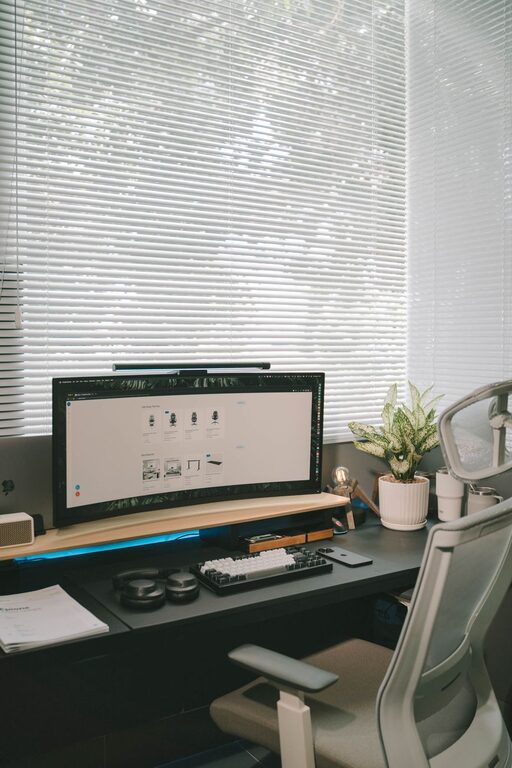
Tips for Creating a Productive Home Office Environment
Discover practical tips to design a home office that boosts focus, comfort, and productivity, helping [...]
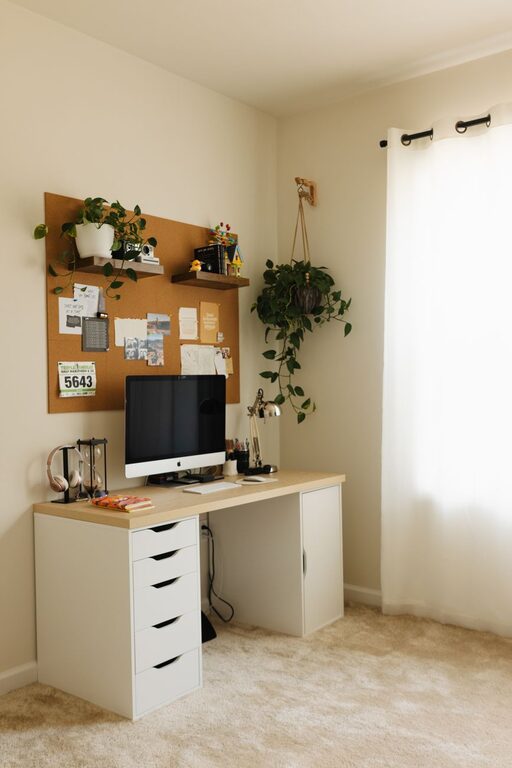
Tips for Creating a Cozy and Productive Home Office Space
Discover practical tips to design a home office that feels comfortable and boosts your productivity [...]
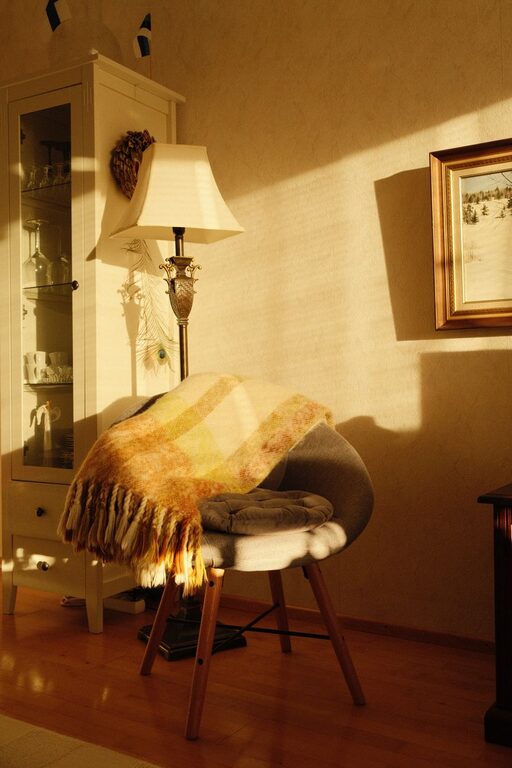
Tips for Creating a Cozy Reading Nook at Home
Discover how to craft the perfect cozy reading nook with simple tips on lighting, seating, [...]